Technical Specifications
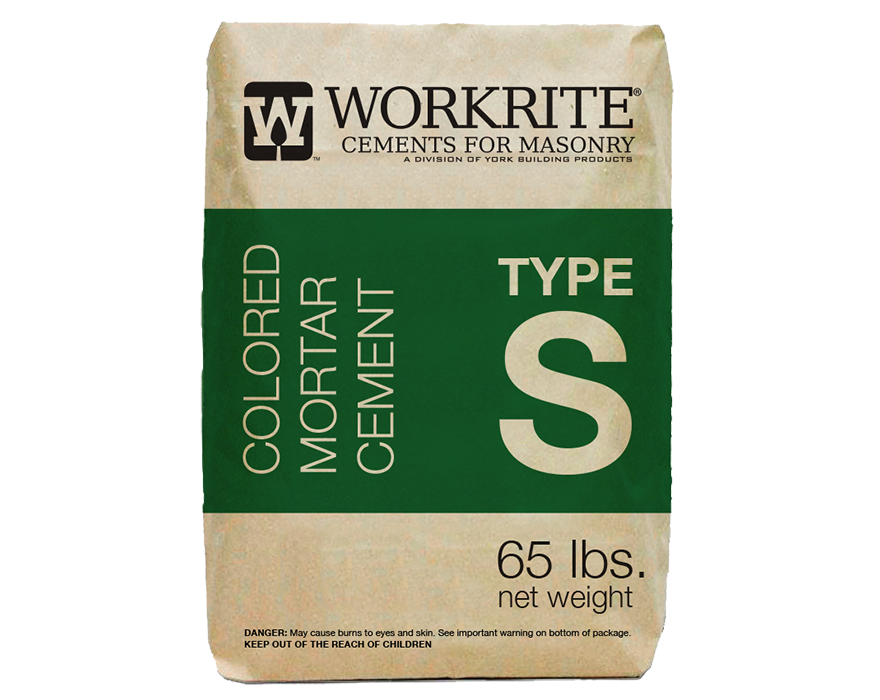
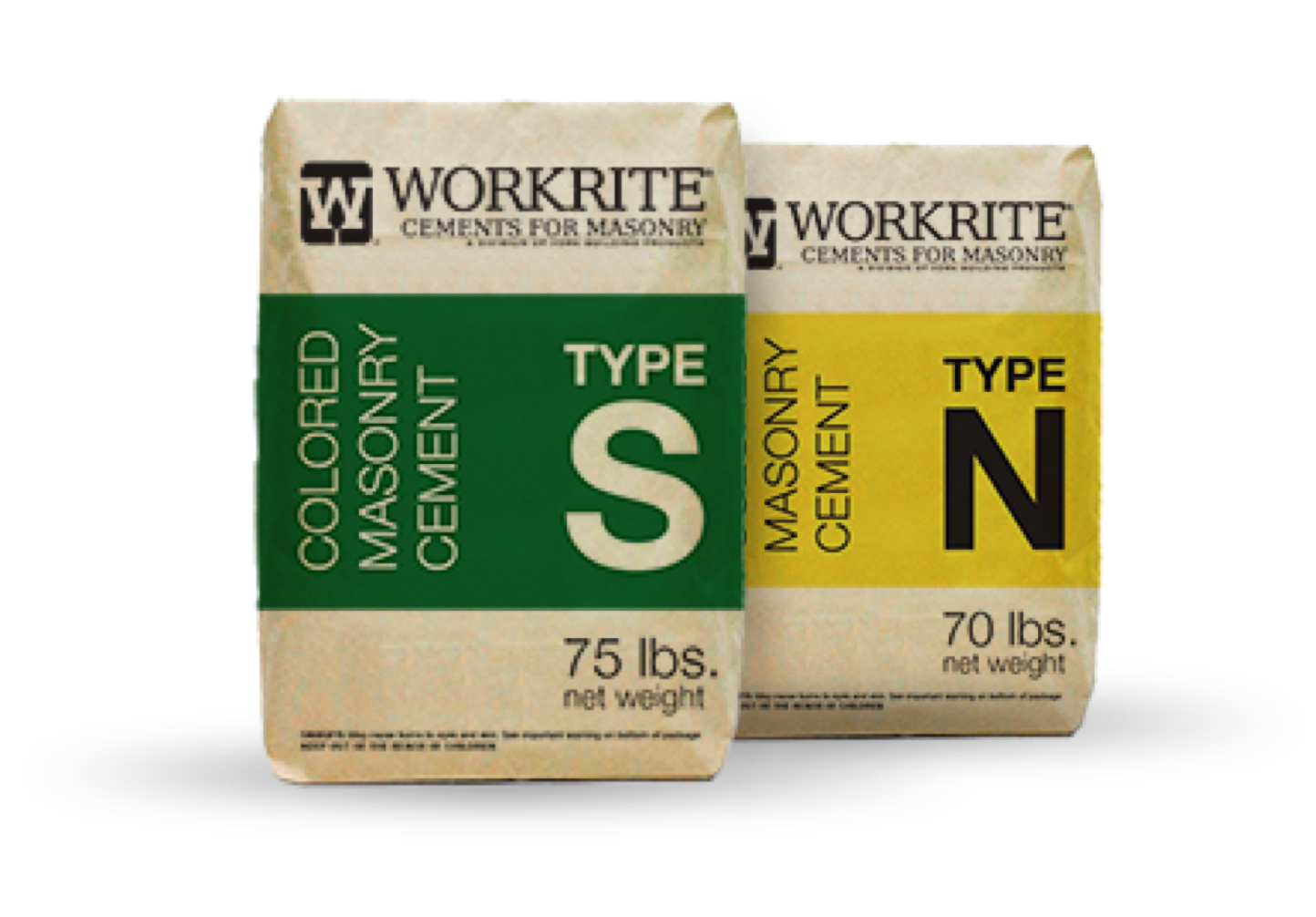
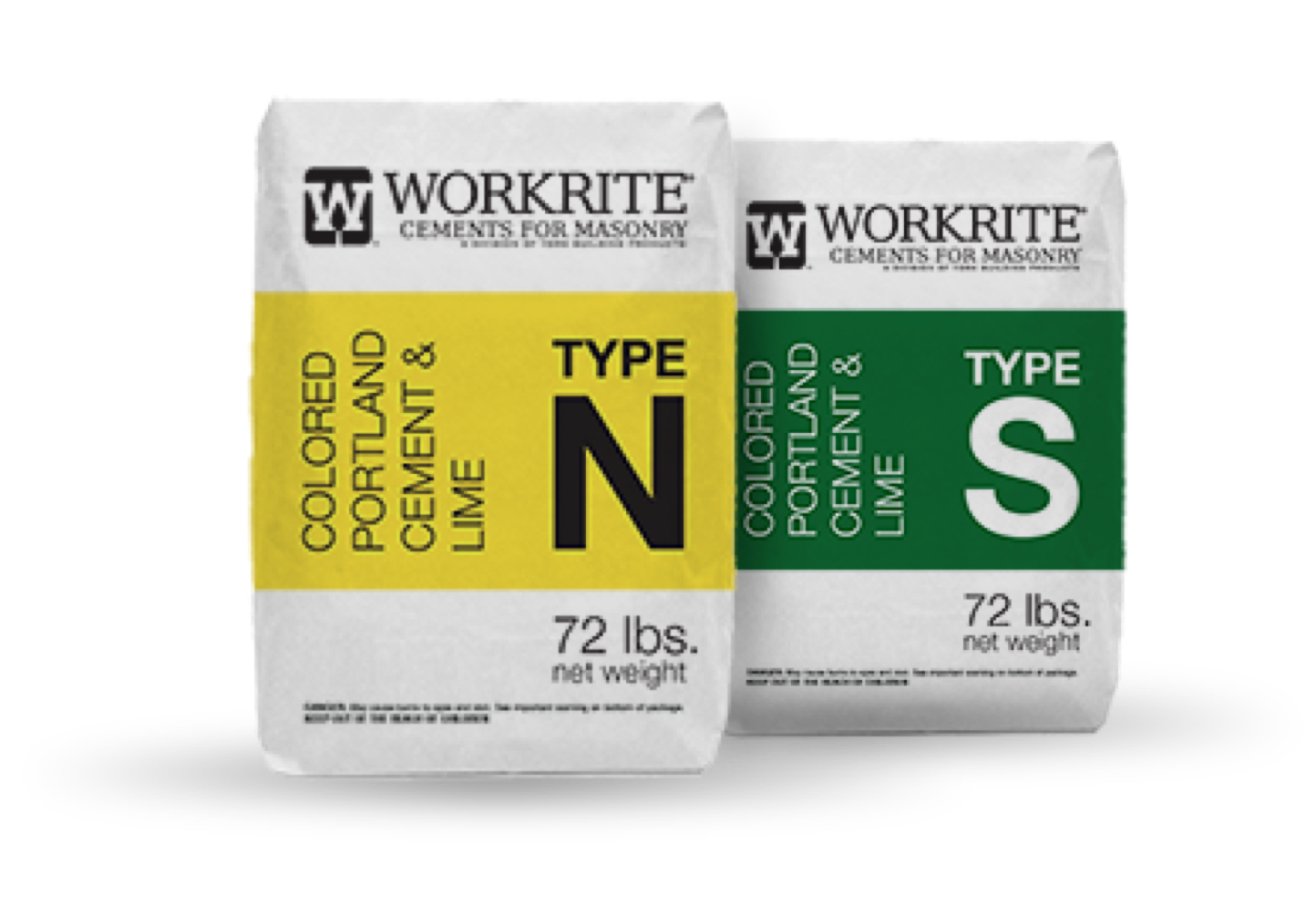
WORKRITE® Colored Mortar Cement is manufactured at our American-owned facilities to be fully compliant with ASTM C1329/C1329M, the Standard Specification for Mortar Cement. The product is available in Type N and Type S formulations, giving architects and masons a versatile, specification-ready system for both structural and architectural masonry. Pigments are integrally blended at the plant rather than introduced on the jobsite, producing a consistent colored mortar mix from bag to bag across the full run of a project — including light tones such as white mortar shades like our stocked Arctic White, where uniformity is critical to the finished appearance.
Performance Requirements
WORKRITE® Colored Mortar Cement meets the performance requirements of ASTM C1329/C1329M for compressive strength, flexural bond strength, water retention and air content. Specifiers should refer to the current edition of ASTM C1329 for the minimum values applicable to Type N and Type S, or request the latest product data sheet from our Technical Resource Library.
Mortar Cement vs. Masonry Cement
Both mortar cement and masonry cement are pre-blended, single-bag products, but only mortar cement (ASTM C1329) carries a minimum flexural bond strength requirement. Due to its higher bond performance, specifiers often choose mortar cement over masonry cement (ASTM C91) for structural walls and code-driven applications.
Mixing and Specification References
Combine Colored Mortar Cement with clean masonry sand that meets ASTM C144 standards and potable water, following the proportioning requirements of ASTM C270, Standard Specification for Mortar for Unit Masonry. For bag size, coverage, storage and shelf-life guidance, refer to the product data sheet in our Technical Resource Library.
Applications and Use Case Examples
WORKRITE® Colored Mortar Cement is the professional choice for jobs where structural performance and finished appearance must be specified together. It is used across a wide range of structural and architectural masonry projects:
- Load-bearing masonry walls: Colored Mortar Cement is used in commercial, multifamily, and institutional construction where bond strength and a finished color are both required.
- Seismic Design Categories D, E, and F: Mortar cement is recognized under TMS 402/Building Code Requirements for Masonry Structures for high-seismic applications. Consult the governing code edition for specific permitted uses.
- Foundation and retaining walls: Colored Mortar Cement performs well in assemblies subject to lateral earth pressure and freeze-thaw exposure.
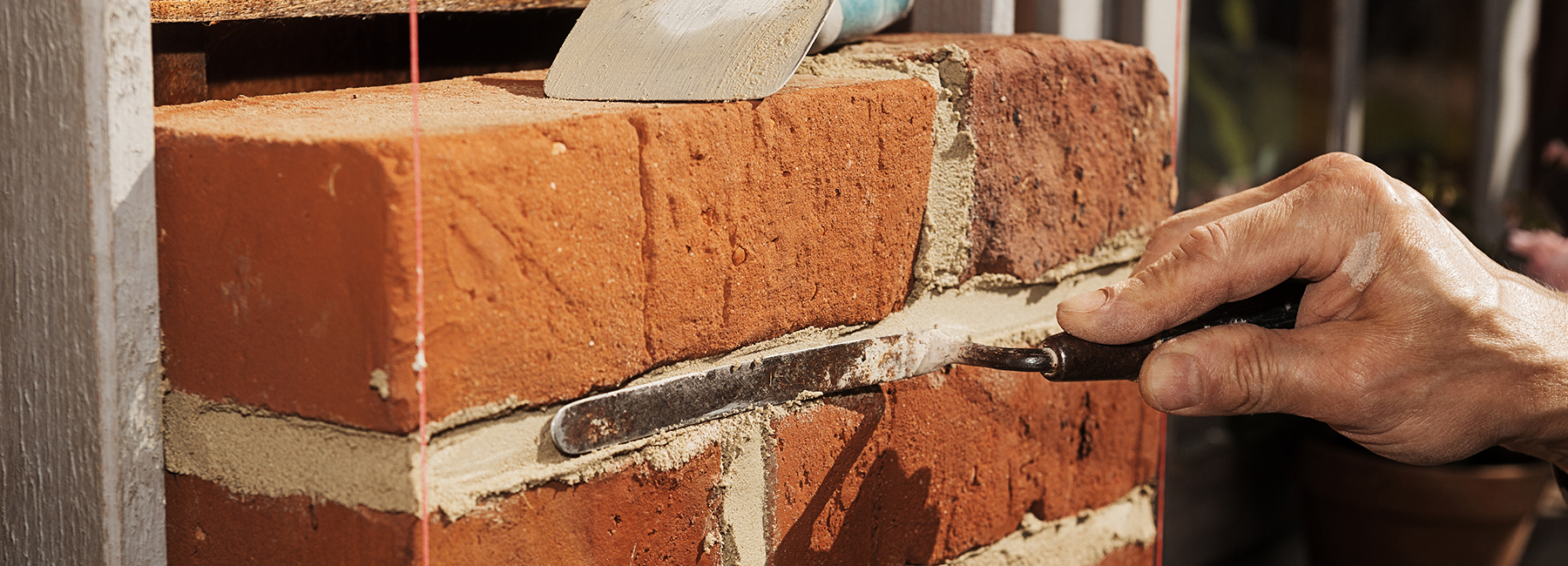
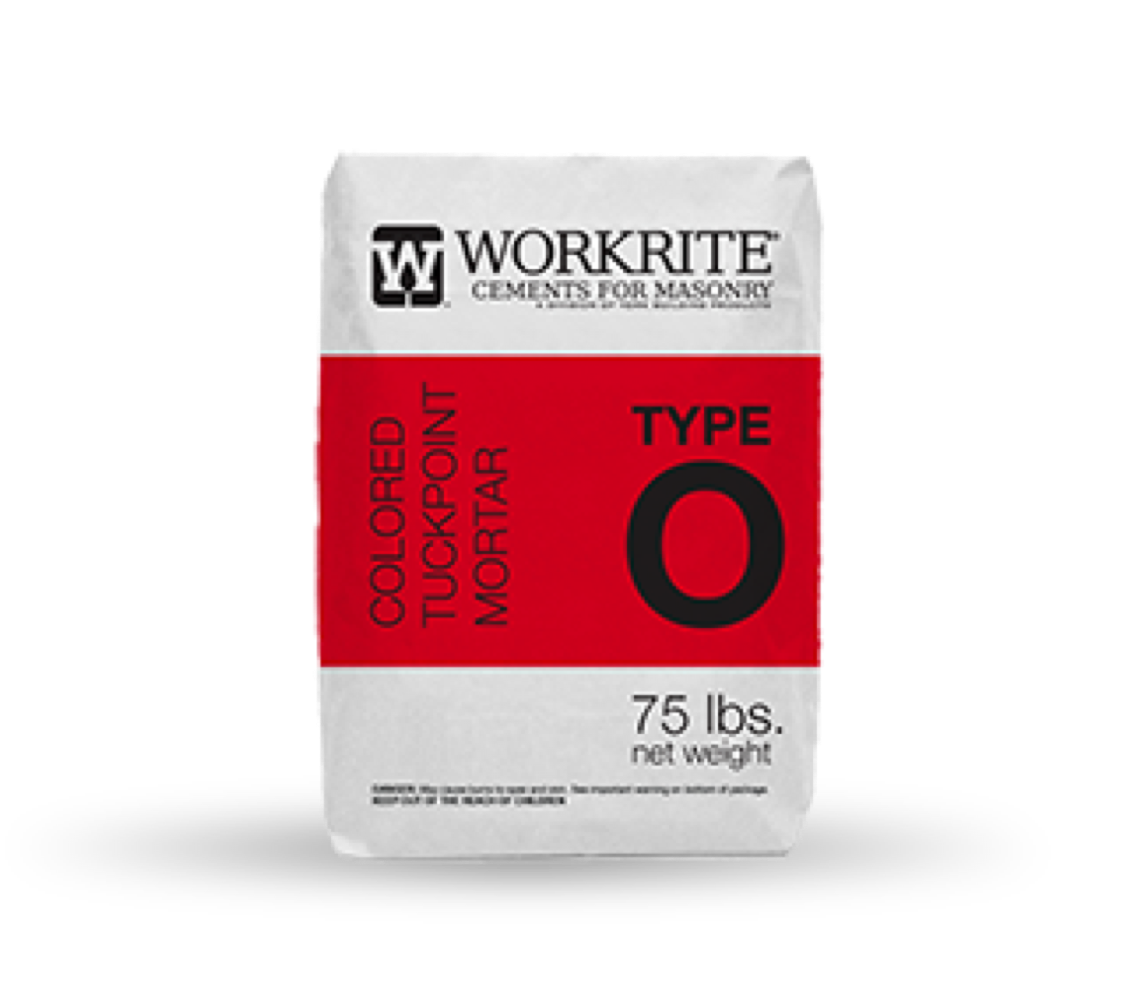
- Architectural veneer and tuckpointing: An integrally pigmented colored mortar mix holds its tone across large façades and years of weather exposure, eliminating the streaking common to field-tinted mortars.
- Hardscape and site masonry: Garden walls, columns, chimneys and outdoor fireplaces benefit from a finished, uniform joint color as part of the overall design.
Selecting Type N or Type S
Per ASTM C1329, Type N is described as suitable for general use in exposed and interior masonry above grade, while Type S is intended for applications requiring higher bond and compressive strength. Final selection should follow the project’s structural drawings, applicable code, and any restoration assessment. Browse our extensive range of standard and custom mortar colors to find the perfect match for your project.































































 717.650.7544