WORKRITE products are distributed through a network of authorized dealers throughout the mid-Atlantic.


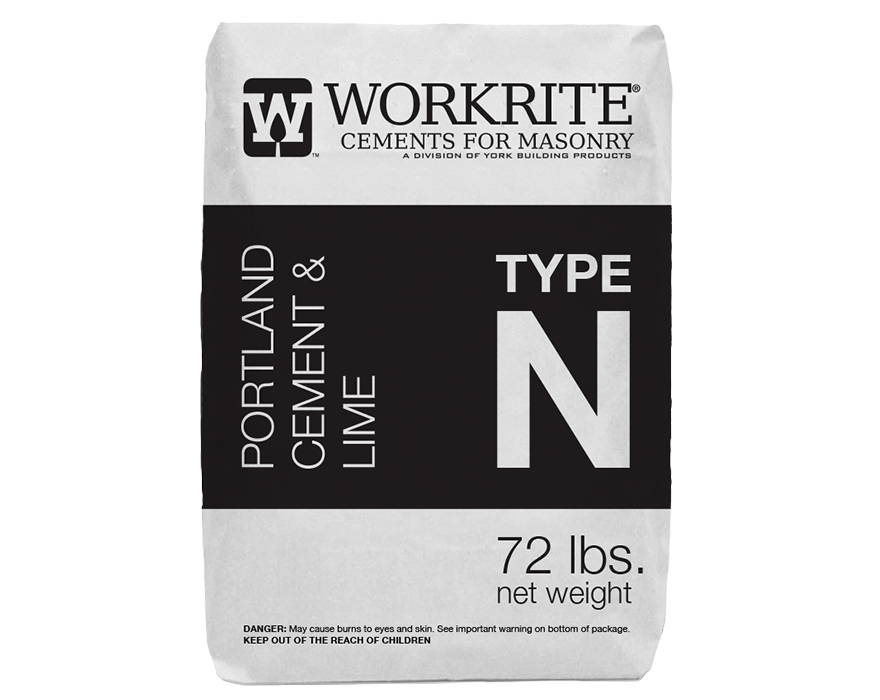
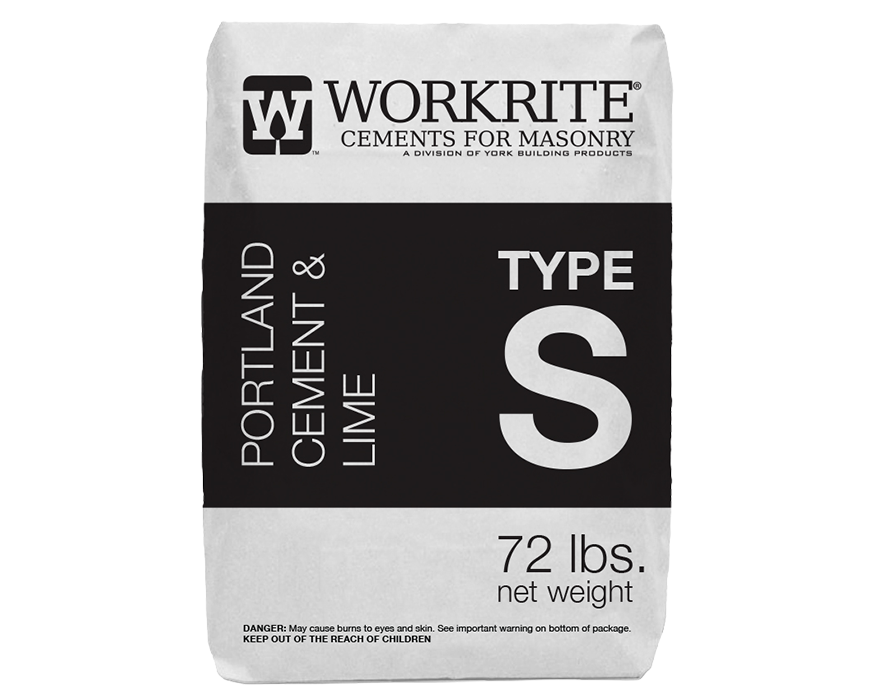


When a project calls for standard gray masonry mortar with dependable workability, consistent performance and ASTM-aligned formulation, non-pigmented Portland cement and lime is a practical choice. WORKRITE® Portland Cement and Lime Blend (PCL) is produced using Portland cement and hydrated lime. We formulate this blend with care to support the integrity of the finished mortar in commercial and architectural masonry applications.
WORKRITE products are distributed through a network of authorized dealers throughout the mid-Atlantic.


 Certification Letter – Type N Non-Pigmented Portland Cement & Lime
Certification Letter – Type S Non-Pigmented Portland Cement & Lime
Certification Letter – Type M Non-Pigmented Portland Cement & Lime
Mill Test – Type N Non-Pigmented Portland Cement & Lime
Mill Test – Type S Non-Pigmented Portland Cement & Lime
Mill Test – Type M Non-Pigmented Portland Cement & Lime
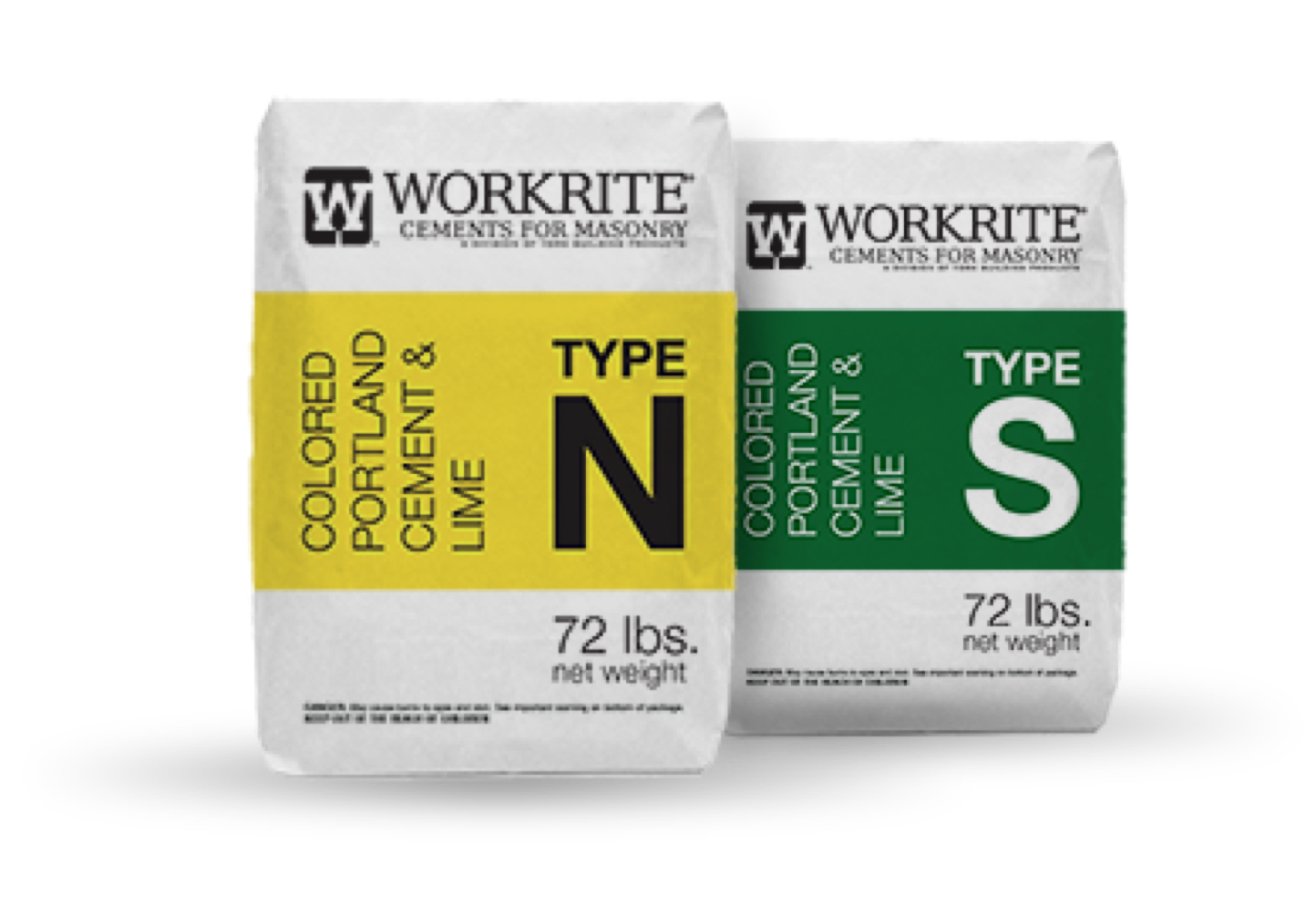
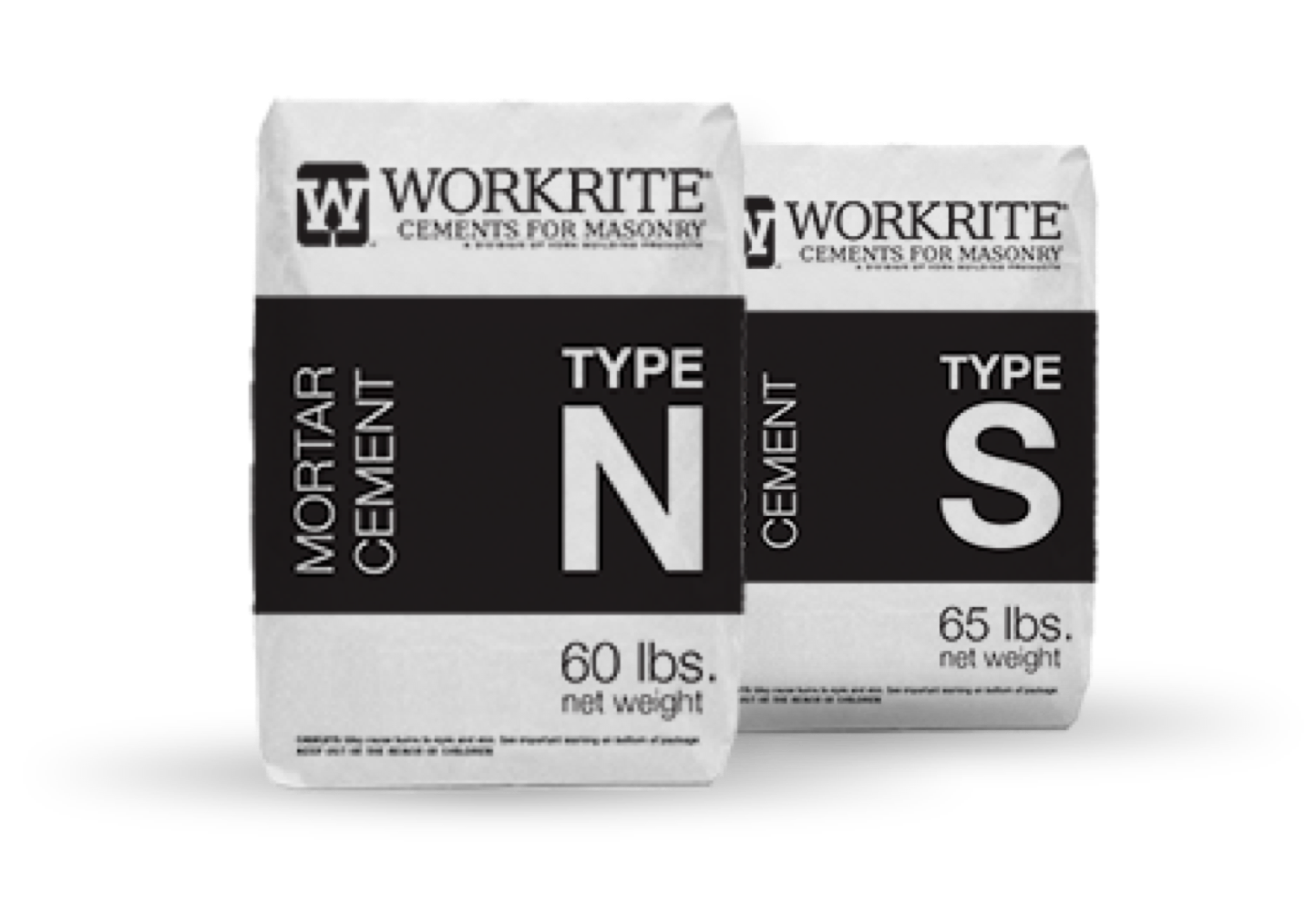
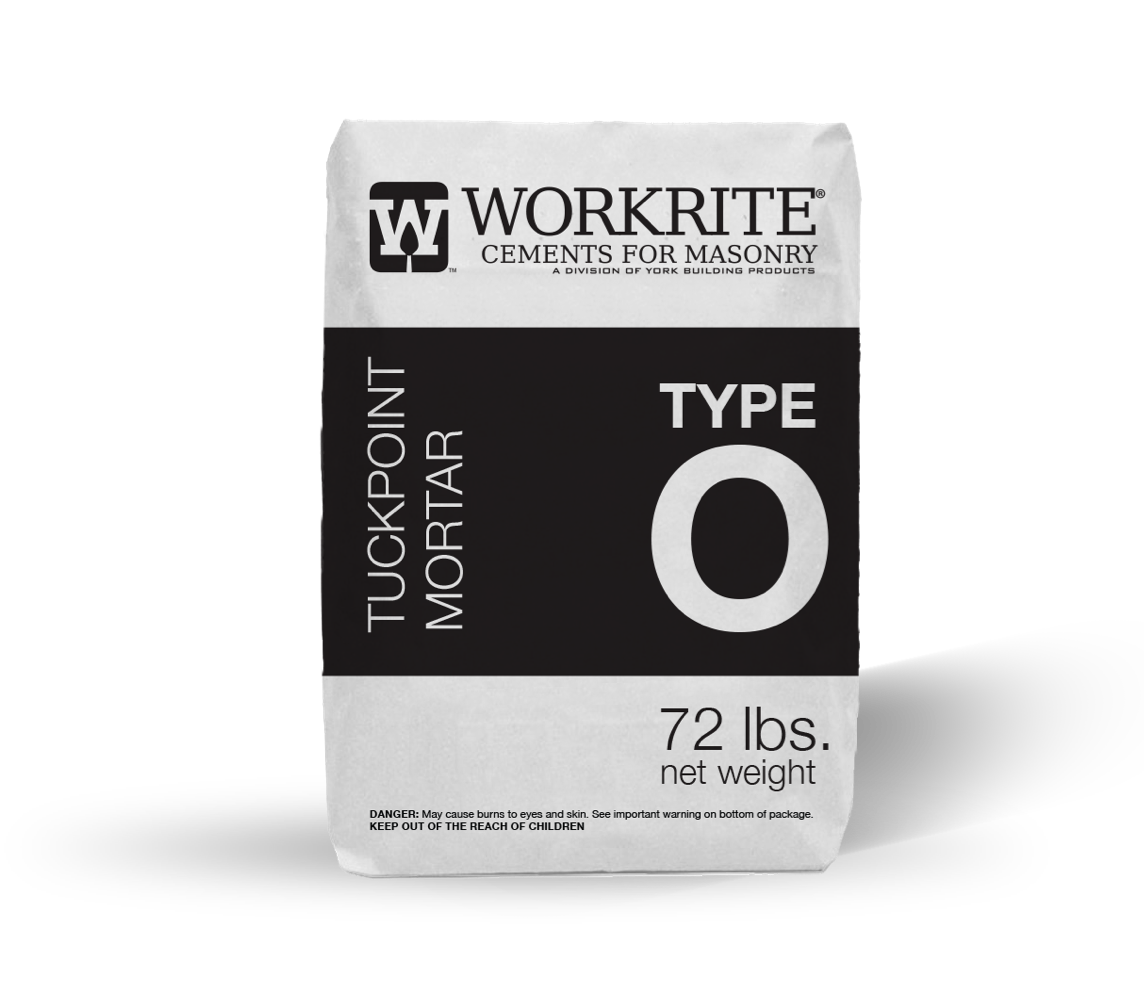
WORKRITE Cement Products Portfolio
Understanding Proper Mortar Selection
WORKRITE General Specifications
WORKRITE Mixing Instructions
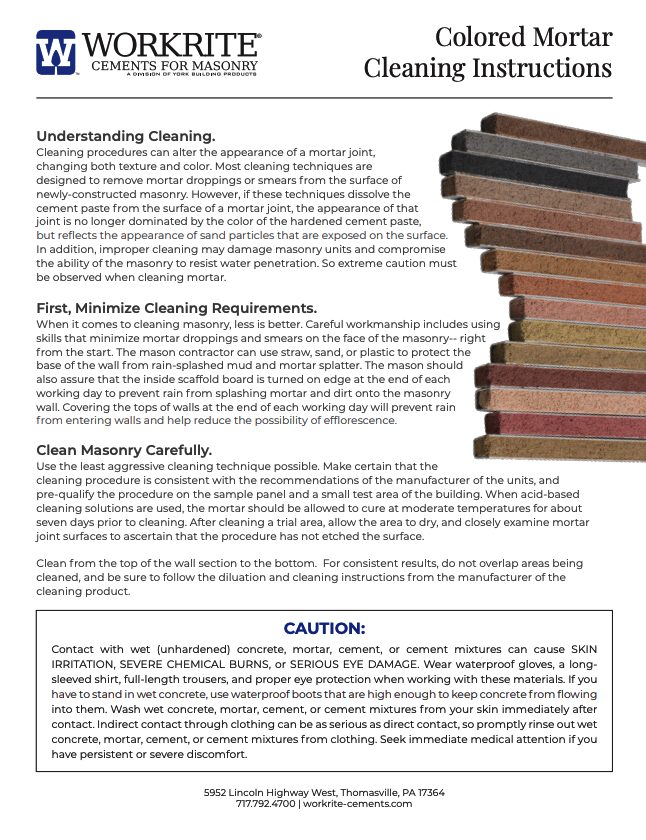 WORKRITE Cleaning Instructions
WORKRITE Safety Data Sheet
Compressive Strength Testing
LEED Certification with Extraction Points – All WORKRITE Products
LEED Certification – All WORKRITE Products
Sample Panel Recommendations
Use these details to confirm whether this non-pigmented PCL blend aligns with your mortar requirements, project conditions and documentation needs.
This non-pigmented Portland cement and lime blend is intended for standard gray masonry applications where added color is not required.
Non-pigmented PCL is frequently selected for:
Masonry cement is a preblended binder designed specifically for mortar. A Portland cement and hydrated lime blend supports a traditional mortar approach that can be adjusted through sand ratios and water control to meet job conditions and placement preferences.
It is also important not to confuse mortar binders with Portland cement concrete mixes. Concrete is generally designed with coarse aggregate for slabs, footings and structural placements. Masonry mortar is designed for bedding and bonding units and supporting joint performance. Selecting the right binder helps keep performance aligned to the application.
Portland cement is a hydraulic cement, meaning it sets and hardens through a chemical reaction with water. That hydraulic behavior supports predictable strength development when batching and curing practices are controlled. Hydrated lime is commonly used to improve workability and water retention, supporting consistent tooling and placement under varying site conditions.
Consistent results depend on controlling variables across batches. For a repeatable cement mix, keep the sand source consistent, measure water addition and avoid retempering. When mortar appearance and joint uniformity matter across large wall areas, many teams also benefit from small mockups and documented batching procedures to support consistency across shifts.
Job conditions can also affect placement. High-absorption units, hot weather, wind and direct sun can change how quickly mortar loses moisture. Planning for staged batching, protecting materials and using consistent tooling practices can help maintain uniform joints and predictable set characteristics from lift to lift.
For mixing guidance, submittal documentation, ASTM references and other job-support materials, visit our technical resource library. If you have any questions, reach out to our team today.




















































 717.650.7544
